How to Use Neuro-Balance Therapy for Best Results – Dosage, Timing, and Tips
Wondering how to get the most out of Neuro‑Balance Therapy for optimal results? Simply following the program isn’t always enough—paying attention to timing, session length, and practical tips can make a big difference in the benefits you experience. Neuro‑Balance Therapy claims to improve focus, balance, and overall cognitive wellness, but using it correctly is key to unlocking its full potential.
In this complete guide, we’ll cover the best practices for dosage, session timing, helpful tips, and expert suggestions to help you maximize the benefits and see noticeable improvements in your mental clarity and balance.

👉 Don’t wait — Order Neuro-Balance Therapy from the Official Site
Quick Overview of the Neuro-Balance Therapy Program
Neuro-Balance Therapy is a structured program that combines nerve stimulation techniques with simple balance exercises.
The goal of the program is to improve communication between the brain, nerves, and muscles responsible for stability.
The system typically includes:
- Step-by-step instructional training videos
- A spike ball used for nerve stimulation
- Daily balance exercises
- Training guides and manuals
The exercises are designed to be simple, beginner-friendly, and low-impact, making them suitable for most adults.
The biggest advantage of the program is that it can be done at home without expensive equipment or gym memberships.
👉 Don’t wait — Order Neuro-Balance Therapy from the Official Site
Recommended Dosage: How Often Should You Use Neuro-Balance Therapy?
Unlike supplements, Neuro-Balance Therapy doesn’t involve pills or capsules. Instead, the “dosage” refers to how often you perform the exercises and nerve stimulation routine.
Daily Routine
For best results, the program recommends practicing the exercises:
Once per day
Each session typically lasts 10–15 minutes, making it easy to fit into a daily routine.
Weekly Frequency
Most users are encouraged to practice:
- 5–7 days per week
Consistency plays a major role in improving balance and nerve activation.
Skipping too many sessions may slow progress.
Step-by-Step: How to Use Neuro-Balance Therapy
Following the program correctly helps ensure safe and effective results.
Step 1: Prepare a Safe Exercise Space
Before starting, choose a space where you can practice safely.
Your exercise area should include:
- A flat, non-slippery floor
- A nearby wall or chair for support
- Comfortable footwear or bare feet
This reduces the risk of losing balance during early sessions.
Step 2: Use the Spike Ball for Nerve Activation
The spike ball included in the program is used to stimulate nerves in the foot.
To perform this step:
- Sit comfortably in a chair.
- Place the spike ball under your foot.
- Gently roll your foot over the ball.
- Apply light pressure while moving it slowly.
This technique helps activate the peroneal nerve, which plays a key role in balance and coordination.
Most sessions include 1–3 minutes of nerve stimulation.
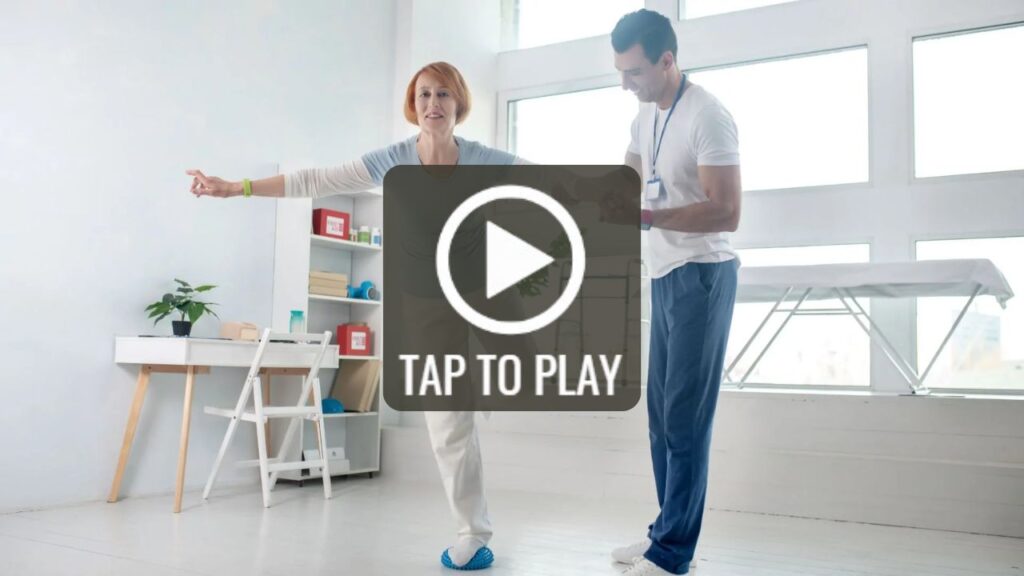
Step 3: Perform the Guided Balance Exercises
After stimulating the nerve, the program moves into balance-focused movements.
These exercises may include:
- Controlled foot movements
- Standing balance routines
- Coordination exercises
- Lower-body strengthening drills
The movements are designed to be slow, controlled, and beginner-friendly.
Step 4: Finish with Cool-Down Movements
Some sessions include simple stretching or relaxation movements to help the muscles recover.
This step can reduce stiffness and improve flexibility.
Best Time of Day to Use Neuro-Balance Therapy
One of the advantages of the program is flexibility.
You can perform the exercises at any time of day, but certain times may offer better results.
Morning Routine
Many users prefer practicing in the morning because:
- The body feels refreshed
- Muscles are less fatigued
- It sets a positive tone for the day
Morning practice may also help improve walking confidence throughout the day.
Evening Routine
Others prefer practicing in the evening because it allows them to:
- Relax after a busy day
- Focus without distractions
- Improve circulation before bedtime
The Most Important Rule
The best time is the time you can stay consistent with.
Regular daily practice is more important than the specific time of day.
How Long Does It Take to See Results?
Results vary depending on several factors, including age, activity level, and consistency.
However, many users report noticeable improvements within:
3 to 6 weeks
Possible improvements may include:
- Better balance while walking
- Improved stability when standing
- Increased confidence during movement
- Reduced fear of falling
Long-term consistency often produces the best results.

Tips to Maximize Results from Neuro-Balance Therapy
Following a few simple strategies can significantly improve your experience with the program.
Stay Consistent
Consistency is the most important factor.
Practicing for 10–15 minutes daily is more effective than occasional long sessions.
Focus on Slow, Controlled Movements
Balance training works best when exercises are performed slowly and carefully.
Avoid rushing through the movements.
Use Support When Needed
During the first few sessions, it’s perfectly normal to use a wall or chair for support.
This helps reduce the risk of falling while learning the exercises.
Track Your Progress
Keep track of improvements in areas such as:
- Walking stability
- Standing balance
- Coordination
Monitoring progress can help maintain motivation.
Common Mistakes That Reduce Results
Some users fail to see results because they make avoidable mistakes.
Skipping Sessions
Inconsistent practice slows nerve activation and muscle adaptation.
Performing Exercises Too Quickly
Rushing through the movements reduces effectiveness.
Balance training requires precision and control.
Ignoring Proper Technique
Incorrect posture or movement patterns can reduce the benefits of the exercises.
Expecting Instant Results
Balance improvement takes time.
Patience and consistency are essential.
Who Should Use Neuro-Balance Therapy?
The program is designed for adults who want to improve balance and mobility.
It may be helpful for people who:
- Feel unsteady while walking
- Have experienced minor balance issues
- Want to reduce the risk of falls
- Want to strengthen lower-body coordination
Because the exercises are low impact, many adults can perform them safely.
However, individuals with serious medical conditions should consult a healthcare professional before starting.
Pricing & Best Deals (2026)
According to the latest official pricing, Neuro-Balance Therapy offers two purchase options.
| Package | Price | What You Get | Shipping |
|---|---|---|---|
| Digital Version | Instant access to the digital program and bonuses | Free | |
| Physical DVD + Spike Ball (Best Seller) | DVD program + spike ball tool + digital access | Shipping & handling |
Savings: Up to $50 off the regular price.
Refund Policy
Neuro-Balance Therapy includes a 60-day money-back guarantee.
If users are not satisfied with the program, they can request a refund within 60 days of purchase.
This risk-free policy allows customers to test the program and decide if it works for them.
Final Thoughts: Getting the Most Out of Neuro-Balance Therapy
Neuro-Balance Therapy is designed to be simple, quick, and beginner-friendly, making it accessible for many people who want to improve their balance and mobility.
To get the best results, remember these key points:
Best Practices Summary
✅ Practice 10–15 minutes daily
✅ Stay consistent with the routine
✅ Perform exercises slowly and carefully
✅ Use support when needed
✅ Track your progress
With patience and regular practice, many users find that the program helps improve balance, increase stability, and build confidence while walking.
👉 Don’t wait — Order Neuro-Balance Therapy from the Official Site